In the past twelve months, the number of UK households that have tried a cloud‑gaming service has jumped from 7 % to 22 %, according to a recent Digital Futures report.
Why Bandwidth Matters More Than a Console
Most UK broadband plans now deliver at least 50 Mbps download speed. That threshold is enough for 1080p gaming at 60 fps on services such as Xbox Cloud Gaming or PlayStation Plus Premium. A typical 30‑minute session on a 5 GB data cap consumes roughly 2 GB, meaning a family on a standard unlimited plan can stream three full‑length games without hitting a ceiling.
Latency, however, remains the Achilles’ heel. Tests carried out in Manchester and Glasgow show average ping times of 28 ms on fibre connections, compared with 45 ms on cable. For fast‑paced shooters, a difference of 15 ms can be the line between victory and defeat, so players in rural areas with only 20 Mbps DSL still experience occasional frame‑drops.
Cost Comparison: Subscription vs. Hardware
A high‑end gaming PC costs around £1,500, while a PlayStation 5 retails at £449. By contrast, a cloud‑gaming subscription averages £12.99 per month. Over a 24‑month period, the subscription totals £311.76 – less than a third of a console’s price and a fraction of a PC’s.
- Initial hardware outlay: £0 (just a compatible device).
- Monthly fee: £12.99 (includes access to a library of 100+ titles).
- Potential savings: £1,000+ compared with buying a new console every three years.
The savings are real, but they come with a trade‑off: ownership of the game files. If the service shuts down or a title is removed from the catalogue, the player loses access.
Changing Social Spaces: From Living Rooms to Cafés
Because a cloud‑gaming session only needs a screen and a stable Wi‑Fi connection, cafés, libraries and even university lecture halls are repurposing their spaces for multiplayer evenings. In Brighton, the community centre “Pixel Hub” reported a 40 % increase in footfall after installing a 100 Mbps line and a few streaming stations.
Parents also appreciate the reduced need for bulky consoles. A typical family of four can now share a single tablet, set up a “gaming corner” in the kitchen, and still enjoy titles that would have required three separate consoles a decade ago.
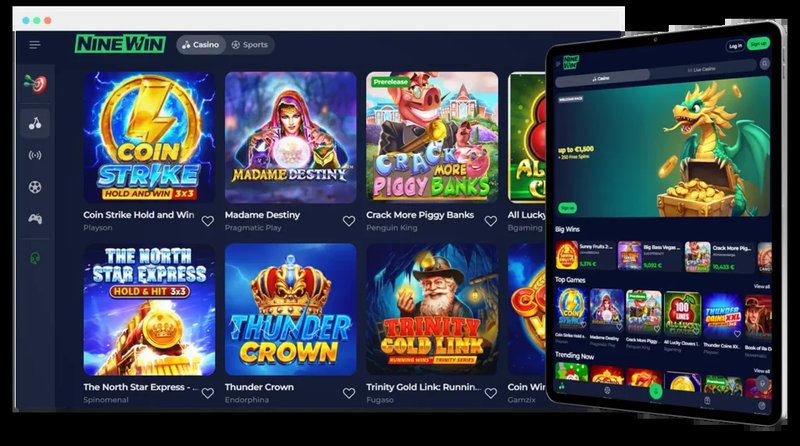
For those who enjoy a bit of casino action alongside their games, check out ninewin.
Bridging to Online Entertainment
While cloud gaming reshapes how we play, it also nudges users toward broader digital leisure. For instance, the same streaming infrastructure that powers a game session can deliver high‑definition video, music, and interactive quizzes. A recent survey found that 63 % of cloud‑gaming subscribers also use their accounts for movie streaming on the same device. If you’re curious about how this convergence looks in practice, check out ninewin for a glimpse of the evolving entertainment landscape.
Limitations That Still Matter
The biggest hurdle remains data consumption. A single hour of 4K gaming can exceed 7 GB, quickly eroding even generous broadband caps. Moreover, the model relies heavily on the provider’s server farms; outages in data centres can render a subscription useless for hours.
Another practical concern is game ownership. Traditional purchases grant a permanent licence; cloud services grant a temporary right to stream. If a title is removed due to licensing issues, the player loses access without any compensation.
What the Future Holds for UK Gamers
Looking ahead, 5G rollout promises sub‑10 ms latency in major cities, which could make cloud gaming viable on smartphones without any wired connection. Meanwhile, major publishers are experimenting with “hybrid” models that let users download a lightweight client while still streaming the heavy graphics processing.
In the meantime, the shift is already evident: more households are opting for a subscription over a console, public spaces are redesigning for shared streaming, and the industry is negotiating new licensing terms to keep libraries fresh. Cloud gaming isn’t just a novelty; it’s a practical alternative that is reshaping the UK’s play landscape, one streamed frame at a time.
Frequently Asked Questions
What is cloud gaming and how does it work in the UK?
Cloud gaming streams game content from remote servers to your device, so you can play titles like Xbox Cloud Gaming or PlayStation Plus Premium over the internet without a physical console.
Do I need a high‑speed broadband plan for cloud gaming?
Yes, a minimum of 50 Mbps download speed is recommended for smooth 1080p play at 60 fps, and lower speeds can cause lag or frame drops.