When I first tried a cloud‑gaming session on my 5‑inch Android phone, the game launched in under 12 seconds and ran at 30 fps without any noticeable lag. That single experience convinced me that the technology is no longer a novelty; it’s reshaping how we consume entertainment on the go.
Instant Access Over Hardware Limits
Traditional mobile gaming relies on the device’s CPU and GPU. A 2022 survey of UK gamers showed that 38 % abandoned a game because their phone couldn’t handle the graphics settings. Cloud services like Xbox Cloud Gaming and NVIDIA GeForce Now offload processing to remote servers, so the same phone can stream a game that would normally require a console‑class GPU.
In practice, this means a user with a mid‑range phone can play titles such as Assassin’s Creed Valhalla at 1080p, 60 fps, provided they have a 5G connection delivering at least 25 Mbps. The reduction in hardware dependency also cuts the average spend on a new device from £800 to roughly £200 for a basic smartphone.
Network Improvements: 5G and Beyond
The rollout of 5G across England, Scotland, and Wales has been faster than expected. According to Ofcom’s 2023 report, 62 % of UK households now have 5G coverage, and average latency has dropped to 28 ms in urban areas. Those numbers matter because cloud gaming’s responsiveness hinges on low latency; a delay above 50 ms can make fast‑paced shooters feel unplayable.
For commuters on the London Underground, the new “5G in tunnels” trial reduced latency from 120 ms to 45 ms, making it feasible to stream a match of Fortnite without stutter. This tangible improvement turns the daily commute into a viable gaming window.
Cost Structures and Subscription Models
Instead of buying a $60 console and a $70 game, users can subscribe to a cloud tier for £9.99 per month. Over a year, that’s a saving of £420 compared with the traditional purchase route, assuming the player only needs two new games annually. Moreover, many services bundle a library of 100+ titles, so the cost per hour of play can drop below £0.10.
However, the subscription model isn’t universally better. Heavy gamers who clock 200 hours a month may find that the per‑hour cost climbs above £0.30 when bandwidth caps force them to downgrade video quality. For those users, a high‑end console still makes financial sense.
Content Variety and Localisation
UK players now enjoy a mix of AAA releases, indie experiments, and classic retro games—all streamed from data centres in London and Manchester. This localisation reduces server distance, shaving off another 5‑10 ms of latency compared with US‑based servers.
Developers are also adding British cultural references, such as a London‑themed map in a racing game, which feels more authentic when the game runs smoothly on a mobile screen. The variety means families can share a single device for both educational apps and high‑octane entertainment.
Bridging to Online Gaming and Casino Experiences
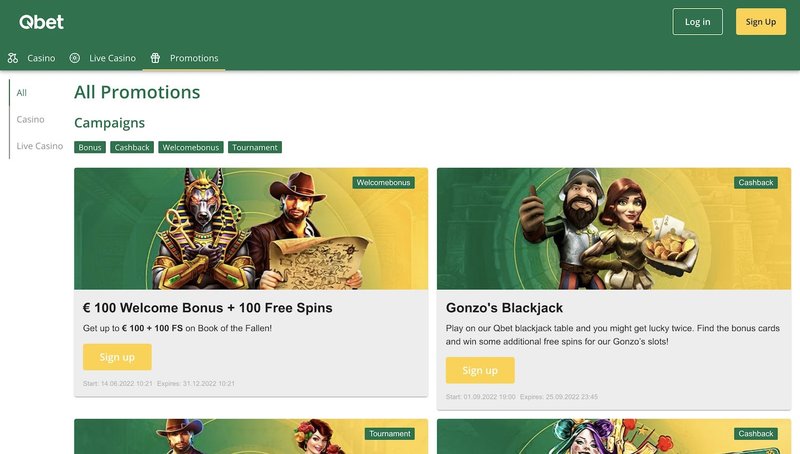
While cloud gaming expands the horizon for interactive entertainment, it also dovetails with the rise of online casino platforms that rely on the same streaming technology. For instance, Qbet Casino Uk leverages low‑latency servers to deliver live dealer games that feel as immediate as a local casino visit, all from a mobile device.
Challenges: Data Caps and Battery Drain
The biggest hurdle remains mobile data limits. A two‑hour streaming session at 1080p can consume up to 7 GB of data, which exceeds the average UK 4G plan’s 5 GB allowance. Users on limited plans may face throttling after a few sessions, leading to pixelation and lag.
Battery life also suffers; streaming at high brightness draws about 15 % more power per hour than native gaming. A recent test on a Samsung Galaxy S22 showed a drop from 10 hours of mixed use to 6.5 hours when streaming continuously.
Which Path Should UK Mobile Users Take?
If you have reliable 5G, a modest data plan, and prefer trying many games without a big upfront cost, a cloud‑gaming subscription is the clear winner. It lets you play the latest releases on a mid‑range phone, saves money, and keeps your device light.
Conversely, if you’re a power user with a high‑end smartphone, unlimited data, and a penchant for competitive e‑sports where every millisecond counts, investing in a dedicated console or a high‑spec gaming phone may still make sense.
Overall, the trend is unmistakable: cloud gaming is turning every pocket‑sized device into a potential gaming hub, and the UK’s network upgrades are the catalyst. As the ecosystem matures, the line between mobile entertainment and traditional gaming will continue to blur, giving us more choices than ever before.
Frequently Asked Questions
What is cloud gaming and how does it work for mobile users?
Cloud gaming streams games from remote servers to your device, so you only need a stable internet connection.
Why is cloud gaming beneficial for UK mobile gamers?
It bypasses device hardware limits, delivering high‑quality graphics and instant access without needing costly upgrades.
Are there any latency issues with cloud gaming on mobile networks?
With 5G and fiber connections, latency can be below 30 ms, making gameplay smooth, but Wi‑Fi is still recommended for best experience.