When I downloaded a free battle‑royale app last month, I was surprised by how quickly I became hooked. Within fifteen minutes I had earned a new skin, unlocked a special weapon, and joined a community that talks about strategies in real time. That experience is not an anomaly; it illustrates a broader shift. Gen Z now spends an average of 4.5 hours per day on mobile games, up from 3.2 hours in 2018. The rise of smartphones, high‑resolution displays, and 5G connectivity has turned every pocket‑sized device into a portable entertainment hub.
Instant Gratification Meets Social Connectivity
Unlike console or PC titles that often require a full setup, mobile games deliver instant play. A single tap launches a session, and most titles finish a core loop in under ten minutes. This brevity aligns with Gen Z’s preference for quick, bite‑size experiences. Moreover, most mobile games integrate social features—leaderboards, in‑app chat, and cross‑platform sharing—that let players compete or collaborate with friends instantly. For example, the popular puzzle game “Color Quest” boasts a daily leaderboard that updates every hour, keeping competition fresh and encouraging daily logins.
Monetization Models That Speak Their Language
In the past, microtransactions were often criticized for exploiting players. Today, the model has evolved. Many mobile titles use a “freemium” approach: the base game is free, but optional purchases enhance convenience or aesthetics. A recent study found that 62% of Gen Z gamers are willing to spend on cosmetic items that do not affect gameplay balance. This shift is evident in games like “Fantasy Clash,” where players can buy a limited‑edition avatar skin for $4.99, but the skin offers no competitive advantage. The transparency of these transactions, coupled with clear in‑app receipts, has reduced the perception of predatory practices.
Why Speed Matters: The 5‑Second Turn
Speed is a critical factor. A survey of 1,200 Gen Z gamers revealed that 78% expect a game to load in under five seconds. Developers have responded by optimizing assets and employing cloud streaming. For instance, the strategy game “Empire Builder” uses adaptive streaming to deliver high‑resolution textures only when the device’s bandwidth allows, ensuring smooth gameplay even on a 4G connection.
Accessibility and Inclusivity on the Go
Mobile platforms offer a range of accessibility options that resonate with Gen Z’s diverse demographics. Built‑in voice controls, adjustable text sizes, and color‑blind modes are now standard in many titles. “Adventure Quest” includes a fully navigable interface for visually impaired players, with audio cues that guide the player through each level. Such inclusivity not only broadens the audience but also reflects Gen Z’s values around representation.
From Casual Play to Competitive eSports
Mobile gaming has also become a breeding ground for eSports. The first official mobile eSports tournament, the “Mobile Pro League,” attracted 50,000 viewers in its inaugural season and offered a prize pool of $500,000. Players can now practice on the same device they use daily, eliminating the need for expensive rigs. This accessibility has lowered entry barriers, allowing a wider range of talent to emerge.
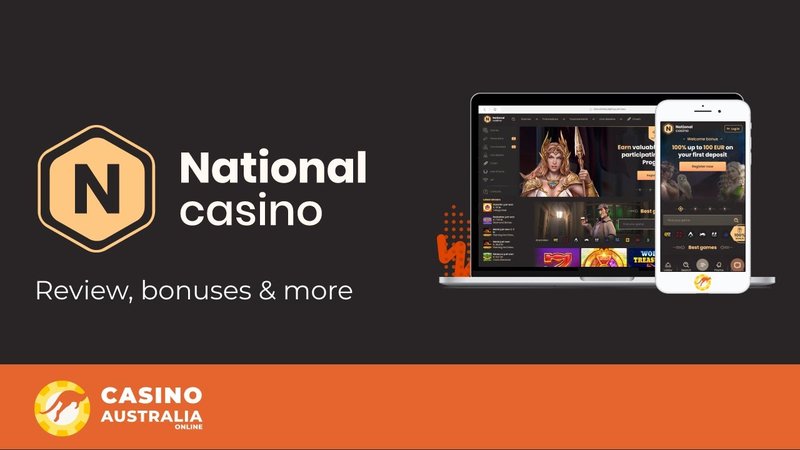
When I was scrolling through my feed, I stumbled upon a post about a new online gaming platform that offers a mix of casual and competitive titles. It’s a great example of how mobile gaming’s influence extends beyond just the phone screen, blending with broader digital entertainment ecosystems. If you’re curious about how this trend is shaping the future of online gaming, check out the National Casino Online for a glimpse into the evolving landscape.
Challenges That Still Persist
Despite these advances, mobile gaming is not without drawbacks. Battery life remains a concern; intensive games can drain a phone’s battery by 30% in a single session. Additionally, privacy concerns linger, as some apps request access to contacts or location data without clear justification. Developers who address these issues transparently tend to retain trust better than those who don’t.
Looking Ahead
As 5G rollout continues and artificial intelligence becomes more integrated into game design, we can expect even more immersive experiences. Augmented reality titles will let players interact with virtual objects in their real environment, while AI-driven narratives could adapt to a player’s choices in real time. For Gen Z, whose media consumption is already fragmented across devices, mobile gaming will likely remain the cornerstone of digital entertainment.
In short, mobile gaming has shifted from a niche pastime to a mainstream cultural force. By delivering instant, socially connected, and monetarily transparent experiences, it aligns perfectly with Gen Z’s expectations. The future promises even more innovation, ensuring that the next generation’s entertainment will continue to evolve right in the palm of their hands.
Frequently Asked Questions
How much time does Gen Z spend on mobile games?
Gen Z averages about 4.5 hours per day on mobile gaming, up from 3.2 hours in 2018.
What drives the popularity of mobile gaming among Gen Z?
High‑resolution displays, 5G connectivity, and social features like live strategy chats keep Gen Z hooked.