In this article, we aim to provide a comprehensive overview of the most infused treats in Edinburgh wellness culture promising and impactful trends in health and wellness for 2024. Rather, it’s about recognizing how these trends reflect the latest research and embody best practices in health and wellness. As we delve into this dynamic world, it’s crucial for certified personal trainers, health and wellness coaches, and nutrition coaches to understand that staying abreast of these trends is not merely about keeping pace with what’s popular.
Availability alone may no longer provide a strong advantage in established markets. A national dispensary access analysis found that 79% of Americans lived in a county with at least one marijuana dispensary. It does not show where products were obtained, whether use was medical or nonmedical, or how often each respondent consumed marijuana. The same national marijuana use research found that 16% of U.S. adults had used marijuana during the previous month in 2024. According to the 2026 marijuana use data, 23% of U.S. adults reported marijuana use during the previous year in 2024. The 2026 marijuana facts report states that 51% of U.S. adults have personally used marijuana at least once.
There are significant worries regarding the US healthcare system, especially concerning the gender bias in traditional medicine and the lack of holistic treatment for patients. We will examine the elements that have led to the growth of the wellness industry and highlight the top 10 areas for wellness initiatives, such as real estate, smart cities, cannabis, and others. With rising interest, numerous consumers, startups, and corporations are making considerable investments in the wellness industry. To effectively integrate cannabis into your fitness regimen, it’s best to begin by seeking advice from a healthcare professional. A significant 54% are seeking innovative methods to stay fit, particularly younger generations who are motivated by challenge, with a 47% increase in demand for workouts that test their limits.
How to Calculate Total Cost of Ownership for Enterprise Software How to Choose an Enterprise Ecommerce Platform for Your Scaling Store Nearly 30% of US Gen Zers and millennials now prioritize wellness “a lot more” than a year ago and already drive a disproportionate share of category spend. It’s an everyday, personalized practice that involves sleep, mindfulness, nutrition, appearance, and tech-enabled tracking. Consumers are buying products like at-home diagnostics, cellular-health supplements, and recovery tech that promise a better healthspan.

The Future of Wellness: How Cannabis is Shaping Modern Health Trends
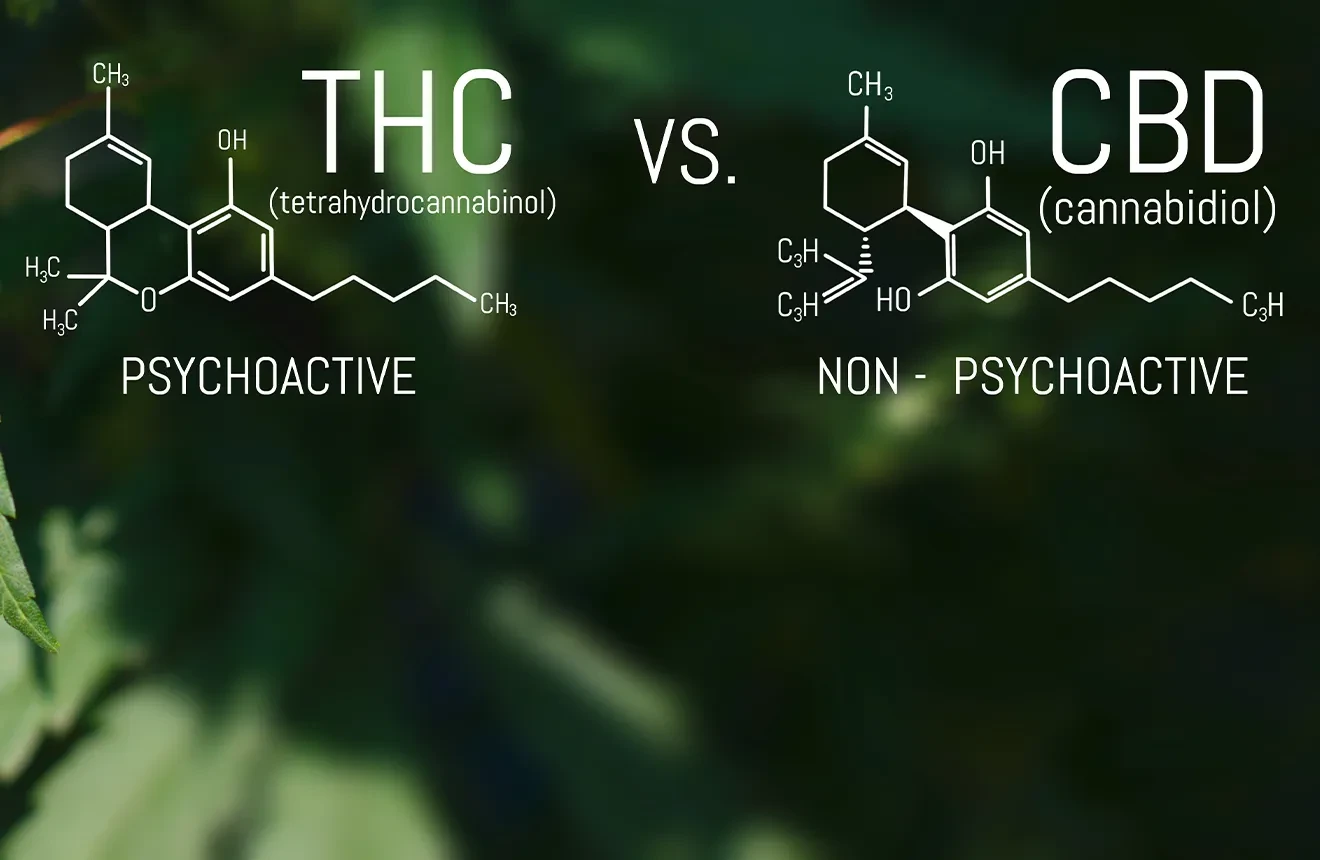
Second, the healthcare system is embracing some of the more natural approaches to biohacking. Biohacking is the process of improving one’s body or mental facilities using diet, exercise, mindfulness practices, technology or drugs. We work hard each day to bring uplifting and informative information about culture, weed, celebrity, tech and medical marijuana. Oils, teas, or simple items are carefully added to daily routines. Whether it’s a CBD product for anxiety or a THC-infused edible for pain relief, cannabis provides options that can be personalized to individual wellness goals. Beyond traditional products, CBD has also found its way into the beauty and skincare industry, with brands offering CBD-infused serums, lotions, and even makeup.
Is the disruption of social media by China beneficial?
Consumers are also embracing AI in their daily routines—from smart fitness wearables unveiled at CES 2025 to robot companions at home. At the same time, cutting-edge research reveals advances in AI algorithms that can detect diseases earlier, personalize treatments, and augment the work of human caregivers. In 2025, AI-driven innovations are transforming the way we manage our health, fitness, and even our emotional wellbeing.
Attention is splintering across platforms
My goal is to provide reliable information, connect readers with top-tier brands, and guide them toward the best cannabis experience. I love exploring the benefits, trends, and insights that help people make informed choices. However, it’s important to find the right dosage to avoid impairing coordination and performance. Cannabis can enhance the mind-muscle connection and help with pain management, but it’s essential to know when to push yourself and when to take a break. Consuming cannabis too close to your workout may impair your coordination and focus, so it’s best to wait until after your workout to enjoy the effects. Instead, try using edibles or oils, which can provide a longer-lasting effect without compromising your lung health.
These patterns paint a picture of individuals who use cannabis as part of balanced, health-focused lifestyles rather than as escape from reality. Meanwhile, only 3.3% use food delivery services daily, showing preference for home-prepared meals over convenience foods. This makes cannabis users 4.8 times more likely to exercise regularly than to eat fast food—a ratio that suggests these aren’t people making impulsive, unhealthy decisions but rather individuals focused on long-term wellness. Only 1.5% of cannabis users eat fast food daily, and just 11.5% consume it multiple times per week.
Les Mills has crafted a new series of programs to meet the specific demands of Gen Z and put your club in the fast lane for growth. Members expect their clubs to support mental, physical, and emotional health in equal measure, so clubs have the perfect opportunity to become trusted, modern wellness hubs that play a deeper role in their lives. Wellness has moved beyond buzzword status – in 2026, it’s the key to deeper member connection. Much like the overarching preference for variety and challenge, offering new ways to service their passion for strength is key. Once a niche pursuit, strength training has exploded into the mainstream, becoming a cornerstone of modern fitness.
These insights offer valuable strategies for operators and decision-makers to enhance your offerings and maintain customer loyalty in a competitive environment. As healthcare integration becomes a goal for wearables, the FDA took measures against wellness devices, issuing a warning to WHOOP. Disappointment in the traditional system led to the emergence of decentralized healthcare, focused on solutions that prioritize end users rather than insurance providers. With pelvic floor therapy, sex-specific protocols, and proactive reproductive care addressing long-ignored issues, the surge in women’s sports is attracting investments in preventative research and development—decoding the interaction between female physiology and biomechanics to mitigate injuries. Telehealth rapidly adjusted, with Ro, Hims, WeightWatchers, Noom, knownwell, and other companies offering affordable microdoses and comprehensive care to a wide audience.